Posts tagged: hugo
Moving videos to Bunny Stream

I’ve looked into different video solution for this blog before — and, at the time, settled on using Coconut.co for encoding, AWS S3 for hosting, and Video.js for playing. Bunny Stream was on the table …
Implementing series navigation buttons — in Hugo

As I have written before; I like the concept of blog post series. Break a large topic, or ongoing project, into multiple posts — while maintaining the chronological order. But one key factor for a …
Improving dark mode and syntax highlighting

In May last year; I did some changes to the dark mode theme and syntax highlighting on this blog. Resulting in higher contrast, improved syntax highlighting in light mode, and a few others things. It …
Microblogging in Hugo — using Todoist tasks

I’ve had a recurring thought, following by some intense Googling — using this Hugo powered site to microblog. The idea has been fueled by two desires; owning my own “microblogging” data — and making …
Build and deploy Hugo with Make

I’ve written before about how I deploy this blog using Drone.io. It works well, and does exactly what you’d expect. Lately I’ve started looking into reducing complexity in homelab systems that I use — …
Adding support for multiple series per post — in Hugo

I’ve previously implemented a series taxonomy in Hugo, but it only supported a single series per post and used intersect which is kind of slow. Here is my improved implementation of a series taxonomy …
Trying Netbox for my homelab and home network

Searching for a tool to keep track of IP addresses; I stumbled onto Netbox — and was blown away by what it could do 🤯 I could put everything there: racks, servers, patch panels, Wi-Fi access points, …
Comments — again
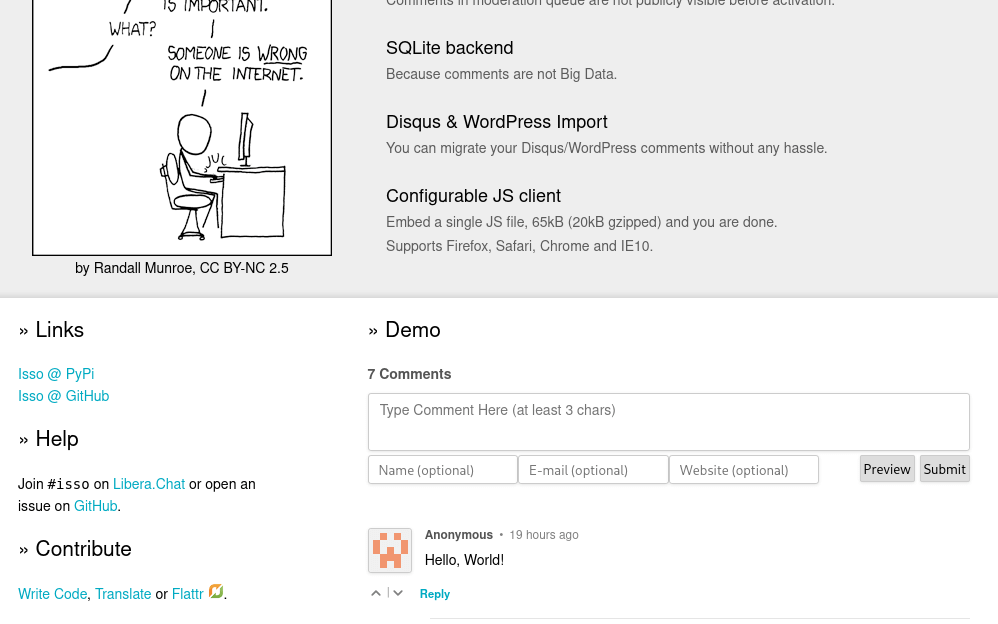
Comments. I’ve written about them before, two times — but here we go again. Long story short; I’ve spent some time thinking about adding comments, and think it might be time to give it another try. …
Turning Hugo aliases into AWS S3 redirects

I’m hosting this blog on AWS S3 and Cloudfront. One disadvantage with S3 is that it doesn’t have a simple way of creating redirects — like Netlify, Firebase, or even Nginx. But there is way; using the …
Deploying this Hugo blog to AWS S3

This blog is built with Hugo — an open-source static site generator. Static websites require no server side processing, which makes them easier to host and opens up new hosting possibilities. There …
Creating a series taxonomy in Hugo

I like the concept of blog post series — a large topic or project, broken up in smaller pieces. Easier to write, easier to read. Here is how I implemented a series taxonomy in Hugo 👇
Video solutions for this blog

I’m not a big fan of embedding YouTube videos, it adds a lot of weight to the page and I have limited control over it. It pulls in all kinds of styles, scripts and fonts from multiple domains. YouTube …
Dominant color background on cover images — with Hugo

I recently added a CSS background color to my cover images, using the dominant color from the cover image itself. It is a nice effect, and gives the appearance of faster load time — should the image …
Implementing photo gallery posts in Hugo

I’ve been thinking about adding some kind of photo implementation on this blog since I first set it up. I didn’t really know what I wanted, or how I wanted to use it - so I’ve been putting it off. The …
Static comments using the Github API

When moving my website back from MediaWiki to Hugo — I again started to think about adding comments. I’ve thought about this before, even tested quite a bit, and written about it. I didn’t want to add …
Building and deploying Hugo staging and production to Nginx

I am building my Hugo website on a local LXC container, using Gitea and Drone. There are plenty of tutorials on how to connected those two together, so I won’t go through that here. Instead I want to …
I moved this blog to MediaWiki for one year

In November 2019 I moved this blog from Hugo to MediaWiki, in January 2021 I moved it back.
Output Hugo aliases as a Nginx map file

In my previous post I wrote about turning Hugo aliases into Firebase redirects. Now — let’s convert them into a Nginx map file, and have Nginx redirect based on that file.
Turning Hugo aliases into Firebase redirects

Using Firebase and Hugo? Use front matter aliases to automatically add redirects to your firebase.json configuration. Turning your aliases into proper 301 or 302 redirects.
Website redesigned and simplified (again)
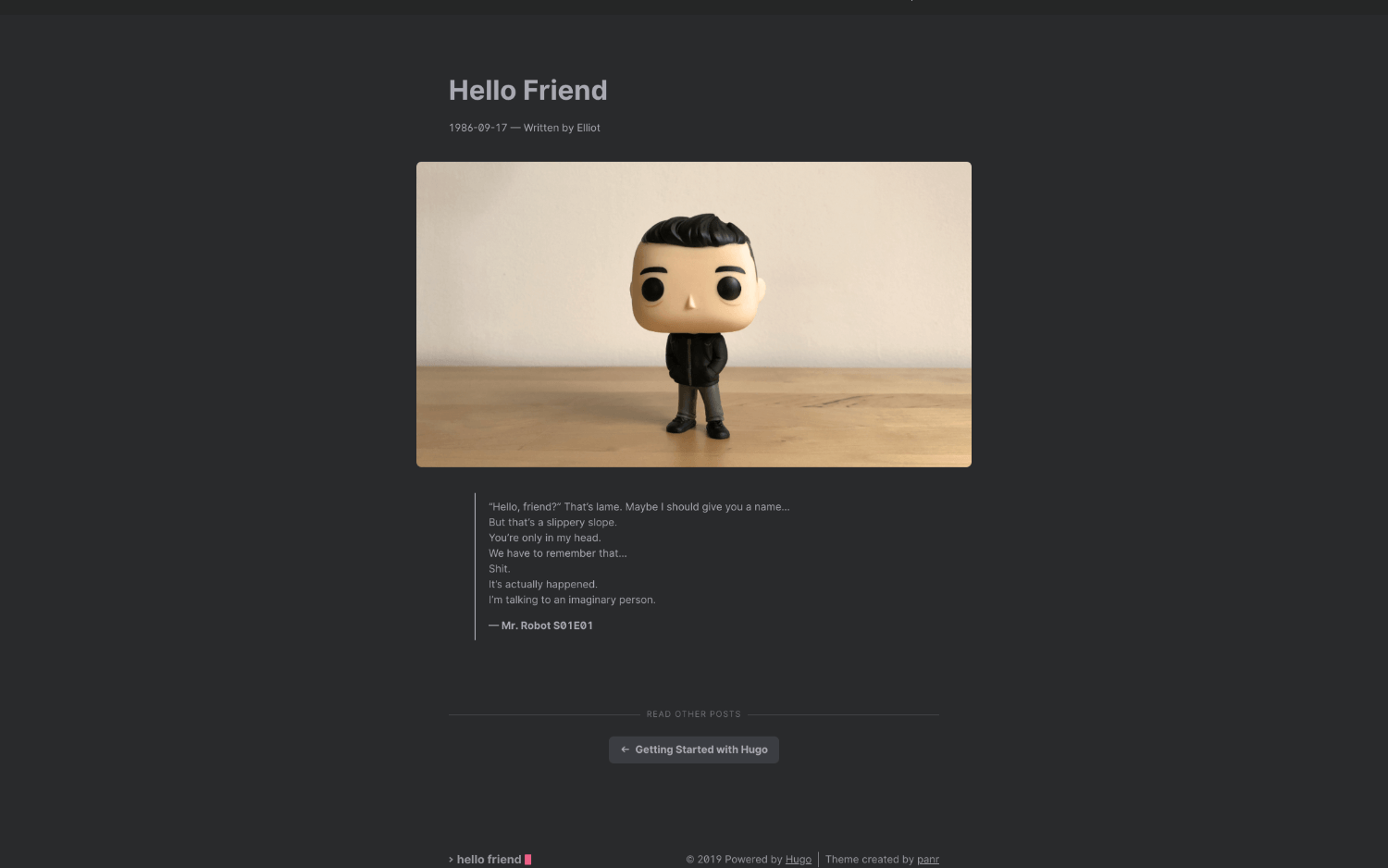
It’s not long ago that I redesigned this website, and now — two months later I am doing it again… So why?

Website redesign (2.0)

I’ve redesigned the website — to simplify, declutter, and emphasize the content and reading experience.
I've been platform hopping, but have landed on Hugo!

In 2018 I changed platform for my website, a lot. This the third time; from self-made to Jekyll, to Ghost, and now to Hugo. With a lot of trial and error in between. Here is what happened.